Faster Response, Same 2G Performance
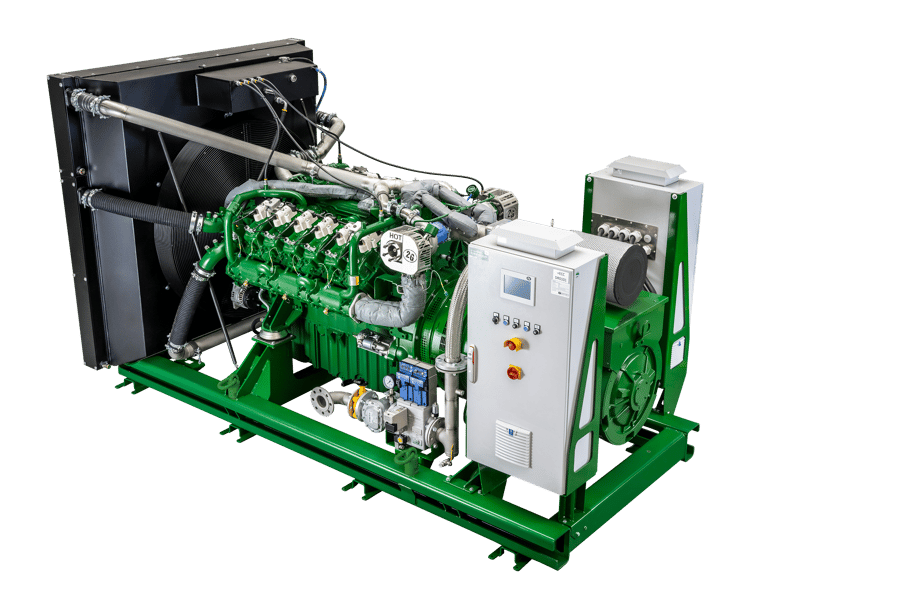
Introducing the DR aura 412!
For over two decades, 2G has delivered reliable, efficient power through advanced CHP technology. Now, we’re applying that same expertise to a flexible energy solution designed to respond when the grid can’t.
2G's new product has been designed for intelligent load shifting and peak shaving for participation in demand response programs, virtual power plant, and energy-as-a-service applications.
You can still expect the same resilience, thermal output, and cost savings from a 2G system when used in a prime power application.

Certifications:
- EPA 1065
- Bluesky
- UL2200
- NFPA 110 Compliant
Our Demand Response Solutions are ideal for:
- Peak demand reduction and utility cost control
- Grid response participation and revenue generation
- Microgrids balancing the grid and on-site generation
- Backup for hospitals, data centers, campuses, and other critical sites
- Commercial and industrial operations
- Oil & gas, mining operations
- Remote communities
Take control of your energy.
Stay resilient. Stay profitable. Stay ahead—with 2G.


Your Advantages
What Distinguishes Our Product
AI-powered Remote Monitoring
AI-driven remote monitoring transforms operational data into actionable intelligence with predictive maintenance alerts, optimizing performance and reducing unplanned downtime.
2G Energy Integrated ECU & Genset Controller
The fully integrated ECU and genset controller ensures coordinated engine and generator control, improving dispatch accuracy and reducing response latency.
Fuel Flexibility with Dynamic Switching
Dynamic fuel switching between NG and LP allows 2G systems to maintain dispatch readiness and performance even as fuel availability or quality changes.
Fast, On-site Response and Service
2G Energy’s rapid on-site service response minimizes downtime and ensures demand response assets remain dispatch-ready when events are called.
2,000-hour Service Intervals for Increased System Availability
Longer 2,000-hour maintenance intervals reduce service interruptions and total lifecycle costs while improving overall system uptime.